
Blog
Latest updates from FetchSky.
Company news, and writing on digital transformation, chatbots and digital loyalty for banks and insurers.
- Engineering and delivery
Forward deployed engineer vs software engineer vs product engineer
A software engineer builds what a product or engineering team has specified. A product engineer owns an area of a product end to end, deciding what to build within it. A forward deployed engineer works inside a client's business, decides what to build from what they find there, builds it on the client's systems and stays to run it. The technical skills overlap heavily. What differs is who sets the work, where the engineer sits, and what they are measured on.
15 November 2026By Muhammad Ali Khoja
 Engineering and delivery
Why AI made forward deployed engineering the default model
Forward deployed engineering went from a niche role to the default way of delivering enterprise AI for one reason: AI models are general, and value is specific. A language model can read any document, but a brokerage needs it to read one particular ledger, match it to one particular CRM, and send one particular kind of message under one particular regulation. Nobody can specify that from outside. Someone has to go inside, find out, and build it there. That is the job the role was invented for, and AI made it the job almost every enterprise needed done.
14 November 2026By Muhammad Ali Khoja Engineering and delivery
What makes a good forward deployed engineer?
A good forward deployed engineer has three things that rarely come together: the engineering skill to take a system into production, the temperament to spend days with non-technical people asking why, and the judgement to rule out most of what could be built. The first is common. The second is rarer. The third is what separates engineers who ship from engineers who produce impressive pilots. Whether you are hiring one or trying to become one, those are the things to look for.
13 November 2026By Muhammad Ali Khoja Engineering and delivery
A day in the life of a forward deployed engineer
A forward deployed engineer's day is split between two places: the desk next to the people who do the work, and the terminal where the solution gets built. The balance shifts over an engagement. In the first week the engineer mostly watches and asks. By the third week they are building and testing with real users most of the day. After launch they are watching logs, handling the exceptions nobody predicted, and improving the system with the team that uses it. What stays constant is that they never work from a brief alone.
12 November 2026By Muhammad Ali Khoja Engineering and delivery
Where did the forward deployed engineer come from?
The forward deployed engineer began at enterprise data-platform companies in the 2010s, which discovered that their software only delivered value once an engineer sat with the customer and shaped it around real workflows. The customer bought a platform; what made it useful was the person stationed on site who understood the business and could change the software to fit. The title borrowed the military phrase for units positioned where the action is, with the authority to act. A decade later, enterprise AI made the same discovery, and the role went mainstream.
11 November 2026By Muhammad Ali Khoja AI in production
How AI agents send every trade confirmation within minutes
A brokerage must confirm each trade to each client individually after market close. One brokerage did this with 10 staff spending 2 hours a day reading a PDF ledger and typing messages. FetchSky replaced that with three AI agents: one extracts trades from the ledger using OCR and document AI, one matches each trade to the right client in the CRM, and one sends the confirmation through the official WhatsApp business API. The published result is 98% less manual effort, around 20 person-hours saved a day, no typing errors, every confirmation logged, and a cost of roughly $0.01 per message.
22 October 2026By Muhammad Ali Khoja AI in production
What is agentic AI? A plain-English guide for operations leaders
Agentic AI is software that uses a language model to read inputs, decide what to do next, and take actions in other systems until a task is complete. Generative AI answers a prompt with text or an image and stops. An agent is given a goal, such as "confirm every trade in today's ledger to the right client", and works through the steps: open the file, extract the rows, look up each client, send each message, log the result. For an operations leader, the difference is that agents do work rather than describe it, which is why they need controls.
20 October 2026By Muhammad Ali Khoja Alliances and loyalty
Why do card offer catalogues go stale, and what does it cost a bank?
Card offer catalogues go stale because offers have a short life and nobody is paid to notice when one ends. Merchants let deals expire, close branches, change terms or train new staff who have never heard of the discount. The bank's app keeps showing the offer anyway. The cost lands when a cardholder presents the card, is refused, and files a complaint against the bank. The fix is operational: named ownership, weekly verification, regular mystery shopping and automatic expiry dates on every offer.
19 October 2026By Muhammad Ali Khoja- Engineering and delivery
Resource augmentation vs project delivery: which fits your team?
Resource augmentation fits when you already have a product owner, a backlog and a process, and what you lack is hands. Project delivery fits when you have a defined outcome and a date, and want someone else to own getting there. Between them sit two other models: forward deployed engineers, who embed inside your business to find and build what is worth building, and managed services, where the people who built a system also run it. Most organisations use more than one of these over the life of a relationship.
18 October 2026By Muhammad Ali Khoja  AI in production
What is a six-week AI pilot, and what should it produce?
A six-week AI pilot is a fixed-length engagement that builds one working version of an AI system on a client's own data and systems, tests it with the people who do the job today, and ends with a decision: go to production, change the approach, or stop. It is the second stage of FetchSky's AI process, after a free consultation that picks the task and before roll-out. The output is not a slide deck or a demo on sample data. It is software that ran on real records, a measured result, and a production plan with scope and cost.
17 October 2026By Muhammad Ali Khoja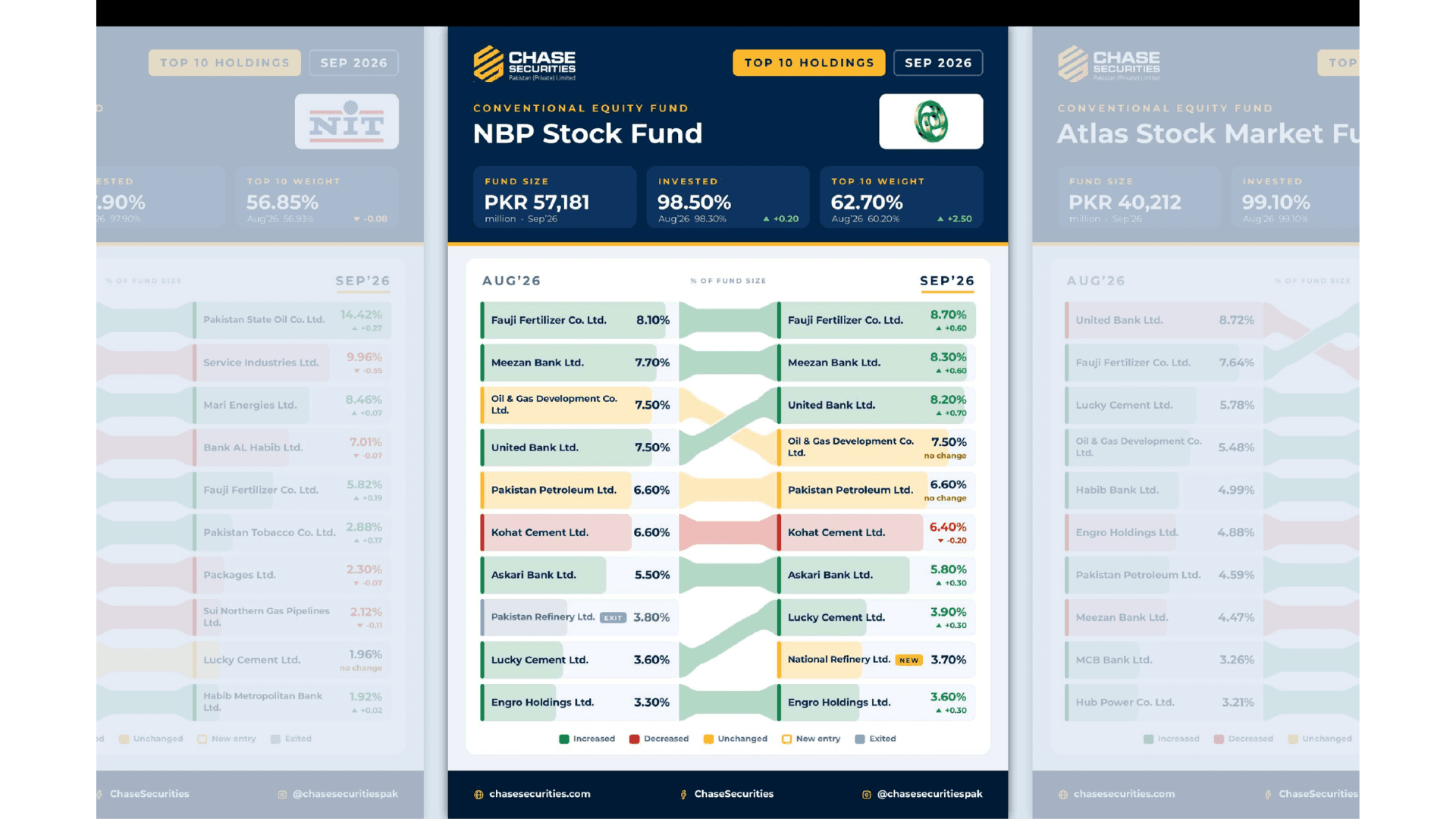 AI in production
How three AI agents cut a four-day report to three minutes
A financial research firm produced a monthly report on the top holdings of 34 mutual funds by having analysts read each fund manager's report, copy the figures into Excel, and hand charts to a designer — three to four days of work, and long enough to lose the advantage of publishing first. FetchSky replaced the manual chain with three AI agents that start the moment the fund reports are published and deliver a finished, on-brand PDF in about three minutes.
16 October 2026By Muhammad Ali Khoja