
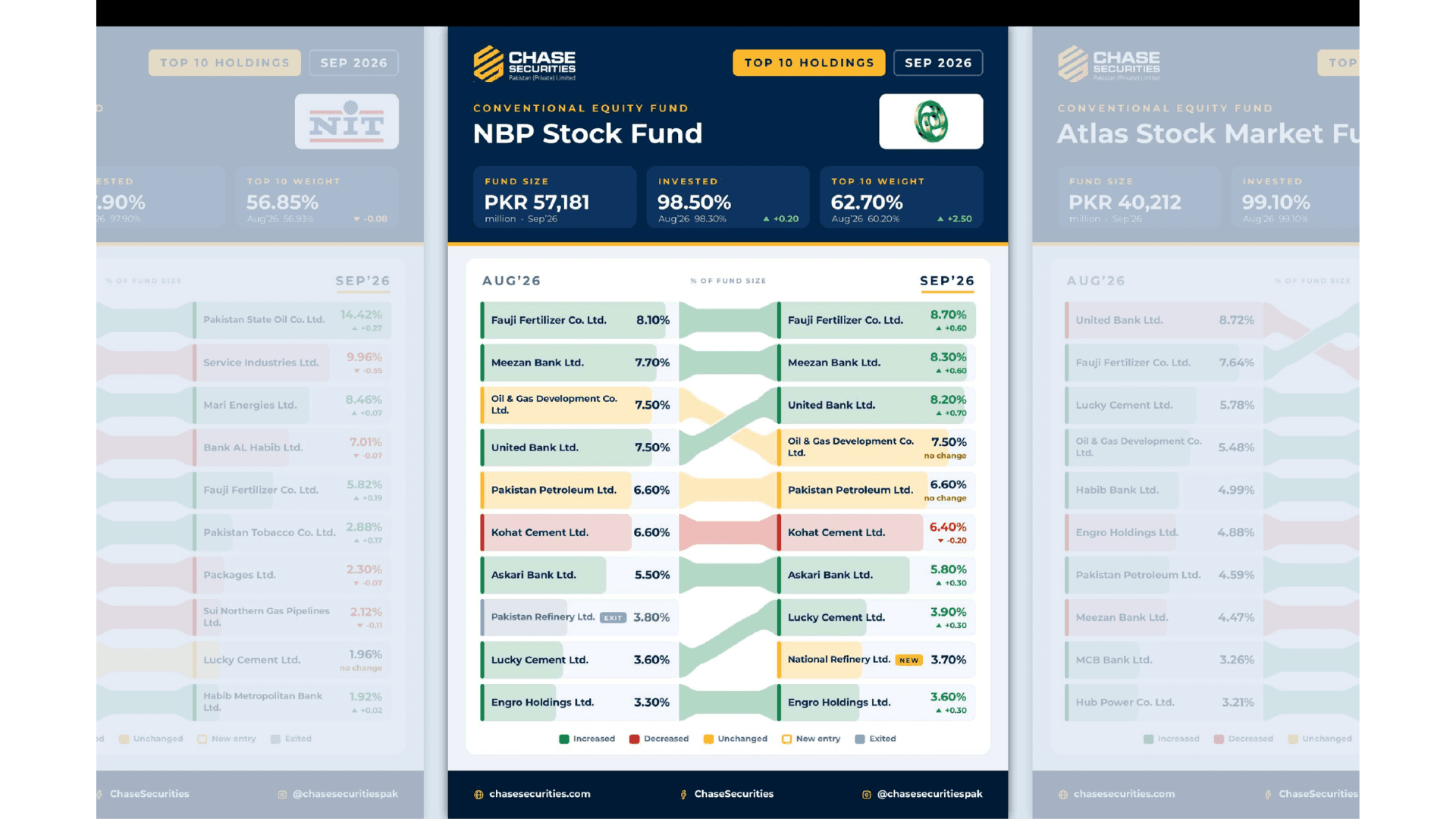
What was the problem?
Not a lack of skill. The analysts knew exactly what to do; the work was simply slow, repetitive and error-prone. Thirty-four PDFs, each in a slightly different layout, each containing a table of asset allocations that had to be found, read, typed and checked. Then charts. Then layout. Four days later the report went out, after competitors had already published theirs.
How was it built?
Three agents, each with one job, running in sequence:
1. Collection agent. Watches each fund manager's website and captures the monthly report the moment it is published. No one has to remember to check.
2. Analysis agent. Reads each report, finds the asset allocation table regardless of layout, extracts the figures, and computes month-on-month changes against the previous period. Anything it cannot read with confidence is flagged for a person rather than guessed.
3. Layout agent. Turns the results into the firm's own chart styles and compiles a ready-to-publish PDF.
The agents share a log, so every figure in the final report can be traced back to the page of the source document it came from.
What did it need to run safely?
Three things that the demo version did not have:
- A confidence threshold. If the analysis agent is unsure about a figure, the report does not ship until a person has checked it. Speed is worthless if a wrong number gets published.
- Source tracing. Every number links to its origin. When a client asks "where did this come from?", the answer is a page reference, not "the AI said so."
- A review step before publication. An analyst approves the report. The time saved is in the reading, typing and drawing, not in judgement.
What changed?
| Before | After |
|---|---|---|
Time to produce | 3–4 days | About 3 minutes |
Data-entry errors | Routine | None |
Who publishes first | Competitors | The firm |
Analyst time | Mostly copying | Mostly analysis |
A 99.9% cut in turnaround, and the analysts and designer are free for work that needs them.
What does this say about AI in production?
That the valuable work is usually not the model. The language model that reads the tables is a commodity. The collection, the confidence threshold, the source tracing and the review step are what make the system trustworthy enough to put the firm's name on. That engineering is where most of the six weeks went — and it is the part most AI pilots skip.
Frequently asked questions
Which AI models were used?
Commercial language models for reading and extraction, chosen for accuracy on financial documents. The system is built so the model can be swapped as better ones appear.
Does the firm's data leave its environment?
The fund reports are public documents. The firm's own data, branding and output stay in its environment.
Could this work for other recurring reports?
Yes. Any report assembled by hand from documents that arrive on a schedule follows the same pattern: collect, extract, check, lay out, review.
How long did it take to build?
It followed FetchSky's standard approach: a short discovery, then a pilot on the firm's real reports, then rollout. 1 week tops