
What is a merchant alliance programme?
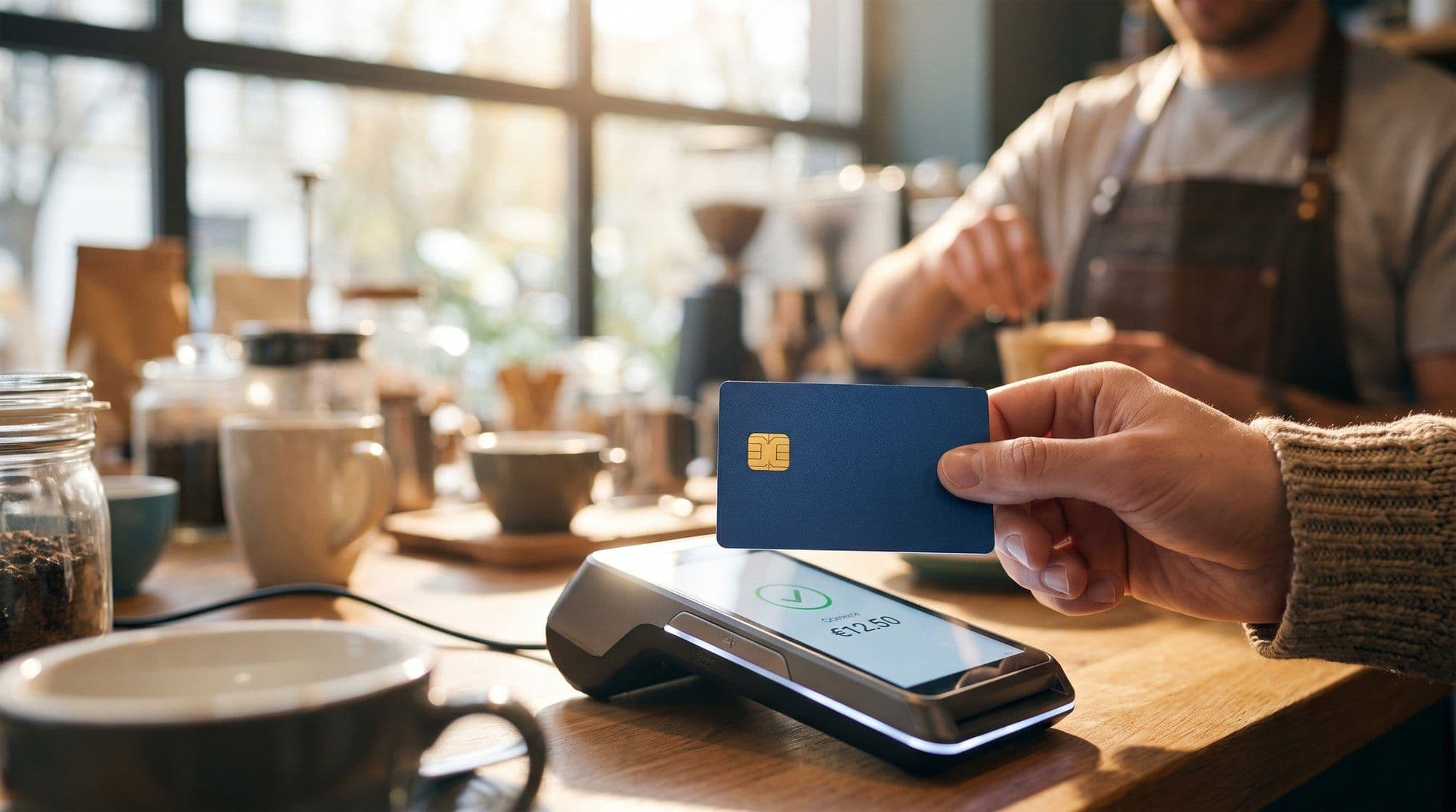
A merchant alliance programme is an arrangement where a bank, insurer, telco or payment scheme negotiates discounts and perks with merchants, then presents them to its own customers under its own brand. The customer pays with the card, shows the app or quotes the membership, and the merchant applies the offer. The programme owner gains a reason for customers to choose its card; the merchant gains footfall from a defined, creditworthy audience. The categories that work best are dining, lifestyle, health, entertainment and travel, because they are frequent, discretionary and easy to redeem at the till. The definitional article is what is a merchant alliance programme.
Why do banks, telcos and insurers run them?
Banks, telcos and insurers run alliance programmes because a card, a SIM or a policy is otherwise hard to differentiate. An offer the customer actually uses, at a restaurant they actually visit, is a reason to keep the card at the front of the wallet. For a bank it lifts card spend and reduces dormancy. For a telco it gives a reason to stay on the network beyond price. For an insurer it creates contact with a policyholder who would otherwise only hear from the company at renewal. The programme also generates transaction data, which shows where customers spend and which offers move behaviour.
What does running an alliance programme involve?
Running an alliance programme involves seven standing activities, not a one-off launch.
- A dedicated alliance team that negotiates and renegotiates offers with merchants.
- BIN configuration: discounts set by card BIN with caps and limits per campaign, so a platinum card and a basic card can carry different offers from the same merchant.
- Tiered benefits across restaurants, retail, salons, wellness, airport lounges and sports.
- Regular mystery shopping to check that the merchant's staff actually honour the offer.
- Transaction analytics and market insights from real-time redemption data.
- Call centre and ticketing for both cardholders and merchants.
- Support after launch, because the merchant list changes every month.
FetchSky runs these under a five-step process: Discover, Design, Deploy, Promote, Optimise. Discover maps the customer base and the merchant categories that fit it. Design sets tiers, BIN rules and caps. Deploy signs merchants and configures the offers. Promote gets the catalogue in front of cardholders. Optimise uses redemption data to drop weak offers and negotiate stronger ones.
Why do alliance programmes decay?
Alliance programmes decay because merchants close, change owners, change menus and forget the deal, while the catalogue on the bank's website stays exactly as it was at launch. Within months a cardholder walks into a restaurant, shows the offer and is told the staff have never heard of it. After two such experiences the cardholder stops looking at the catalogue at all. The remedy is operational: mystery shopping, a merchant team that renegotiates on a cycle, and a catalogue that is updated the day a merchant changes. The mechanism and the fix are covered in why card offer catalogues go stale.
How do loyalty engines relate to alliance programmes?
A loyalty engine and an alliance programme reward the same customer in different ways. An alliance gives a discount at the moment of purchase, funded by the merchant. A loyalty engine gives points on every transaction, funded by the programme owner, which the customer later spends on a reward. FetchSky's loyalty engine, Mintly, rewards customers on every transaction; the business sets what earns points and what points buy, and the rules live in Mintly so they can change in minutes without a release. The two combine well: the alliance drives the visit, the points reward the spend. What a loyalty engine is, and what it is not, is in what is a loyalty engine.
Should you build or partner?
Build or partner is the central decision, and it is mostly a question of whether you want to run a merchant operations team.
Factor | Build in-house | Partner with FetchSky |
|---|---|---|
Merchant network on day one | Zero; recruit from scratch | 5,000+ merchants in 50+ cities |
Negotiation and renegotiation | Hire an alliance team | Dedicated alliance team included |
Offer honoured at the till | Your own checks | Regular mystery shopping |
BIN rules, caps, redemption data | Build or buy a platform | Configured per campaign, real-time data |
Cardholder and merchant support | Your call centre | Call centre and ticketing included |
Brand | Yours | Yours; programme runs under your brand |
Time to launch | Months, once a merchant team and platform are in place | Two to four weeks |
Building makes sense if the alliance is core to the brand and you already run merchant relationships. Partnering makes sense if you want the outcome without the operations team. FetchSky's programmes run under the client's brand either way.
What scale has been published?
The published scale is 5,000+ merchants, 50+ cities and 5 million+ cards served, over more than ten years of running alliances for banks, insurers, telcos and payment schemes. On the consumer side, Peekaboo Guru, FetchSky's offers app, has 500,000+ monthly active users and aggregates offers from five sources: brands, banks, telcos, insurers and apps. That app matters to a programme owner because it is a second distribution channel for the same catalogue, reaching customers who do not open the bank's app to look for offers.
Go deeper
See what an end-to-end programme includes on merchant alliance services.
Frequently asked questions
What is the difference between a merchant alliance and a loyalty programme?
An alliance gives a merchant-funded discount at the point of sale. A loyalty programme gives points on every transaction that the customer later redeems. Many banks run both.
Who pays for the discount in an alliance programme?
The merchant, in exchange for footfall from the programme owner's customers. Some campaigns are co-funded, with the merchant and the programme owner sharing the cost of a deeper offer for a set period.
How are offers restricted to certain cards?
By card BIN. Each campaign can carry caps and limits, so different card tiers see different offers.
How do you know merchants are honouring the offer?
Regular mystery shopping, plus call centre and ticketing so cardholders can report problems.
Does the programme run under our brand?
Yes. FetchSky runs alliance programmes under the client's brand.